
#020 Wine not?
Back to school, but I’m drinking

Hello, class. Today’s topic is actually not going to be about food at all. “But Miss Boris, isn’t that your whole thing?”. Kind of! Remember, though, this newsletter is called Acquired Taste. What else can we taste that pairs very well with food? Wine, of course!
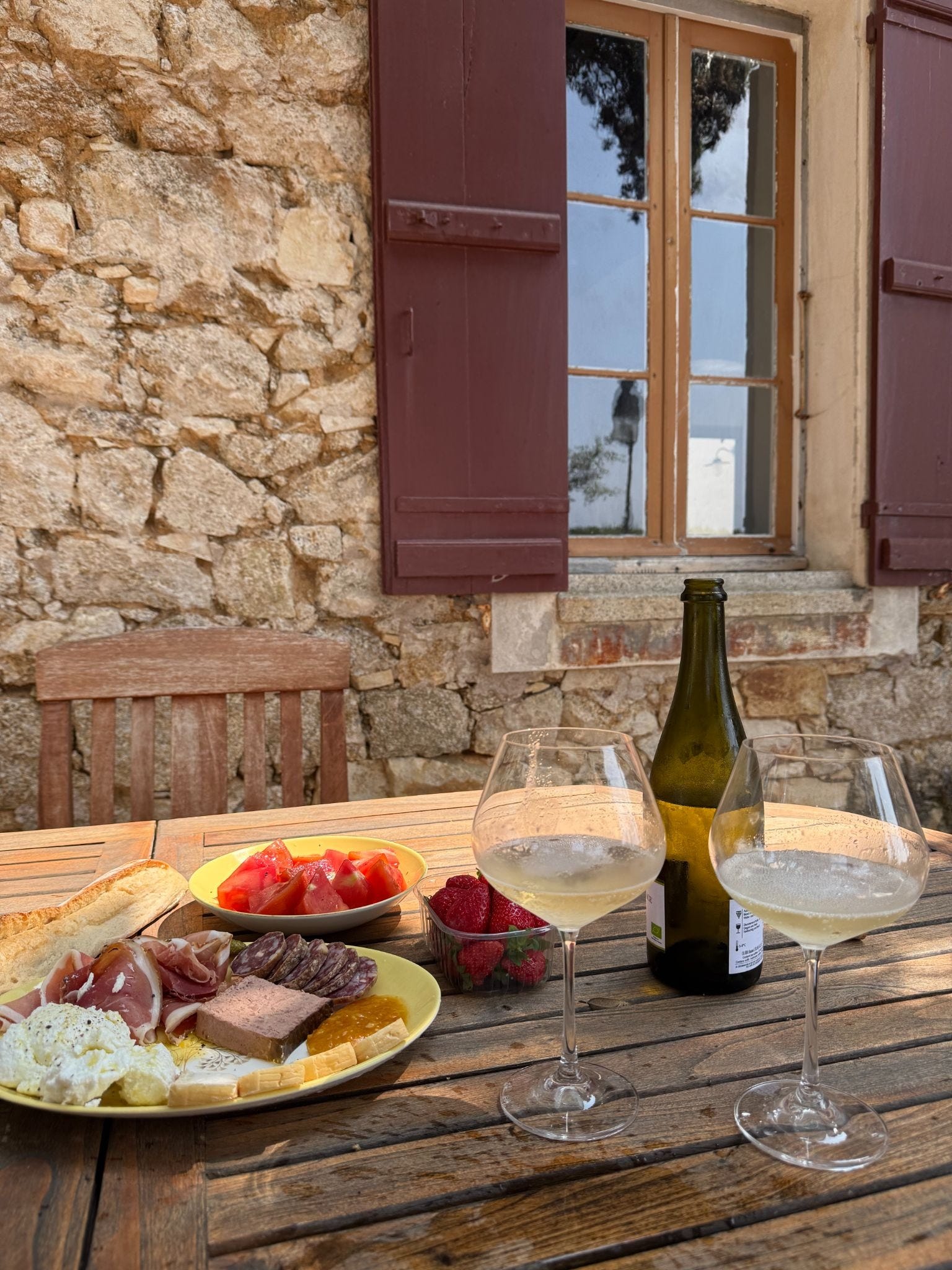
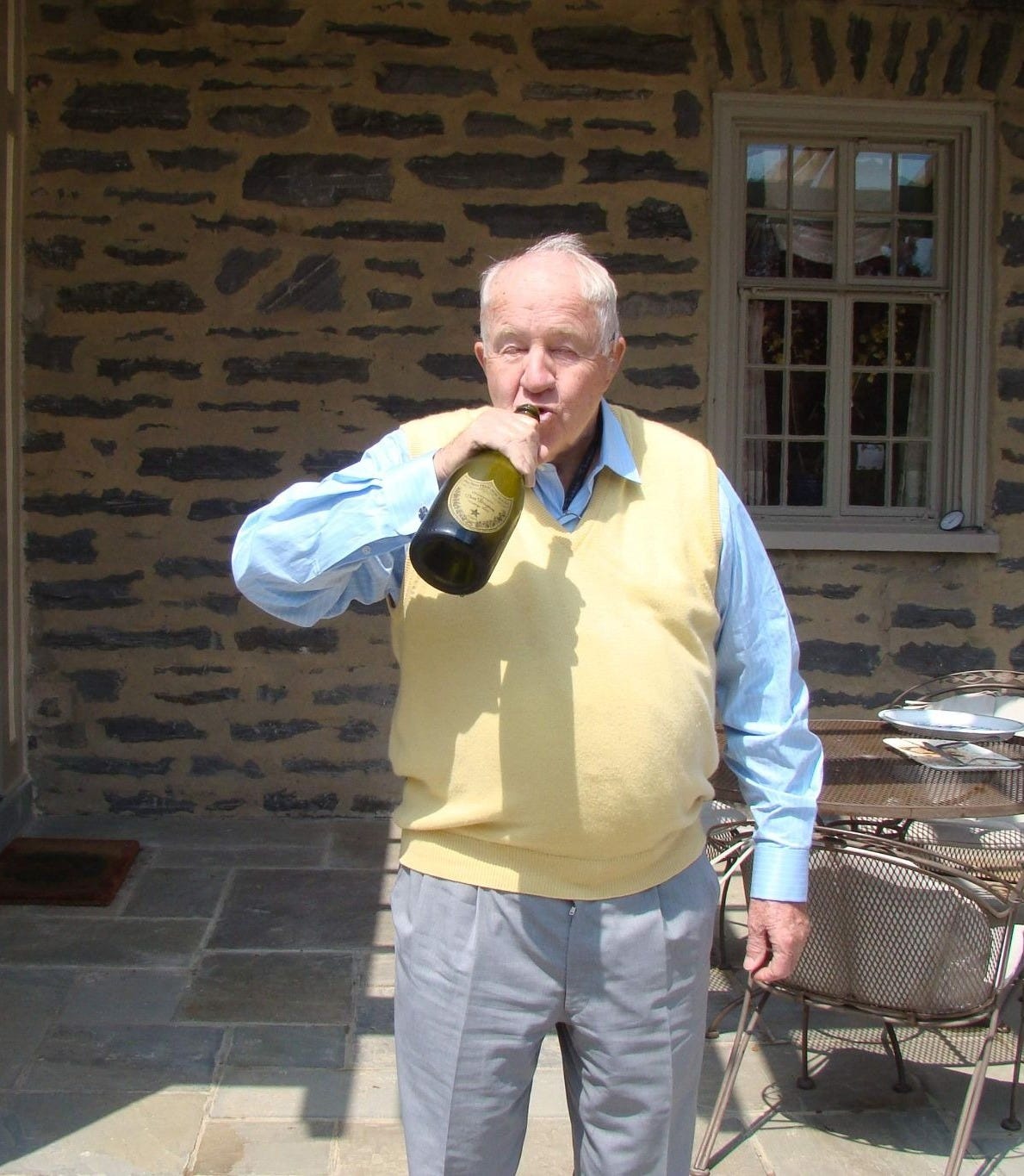
Now, I’ve had an affinity for wine since a young age. If you’re a cop, stop reading. Sitting at the kid’s table on Christmas Eve, my grandfather used to pour me a glass of half-wine, half-water, which was a practice that I think stemmed from the decade he spent living in Europe raising my mother and her sisters. Over there, wine wasn’t this forbidden fruit (juice) that you couldn’t touch until you were grown up or whose sole purpose was to get drunk off of. It was a drink you had with dinner or amongst friends. It really wasn’t a big deal unless you wanted it to be. I grew up with it always around, so when I did want to get drunk at 17, it was the random rum from my parents’ bar cart that I stole, not a bottle of wine.
As I graduated from the kid’s table and was poured a full glass of wine (without any water!) I began to pay more attention to what was actually in there. I started by accompanying my Aunt Carol, who lives near Napa and therefore had some wine authority, to the liquor store as she picked out what bottles would be served with that Christmas Eve dinner. Now it’s gotten to the point where, when out at a restaurant with my family, my dad simply hands me the wine list and tells me to choose. Much like I developed a passion for food by being curious about how it’s made and using that knowledge to curate what I consumed, that’s what I did with wine. If you think about it, winemaking is just like cooking, but only with grapes.
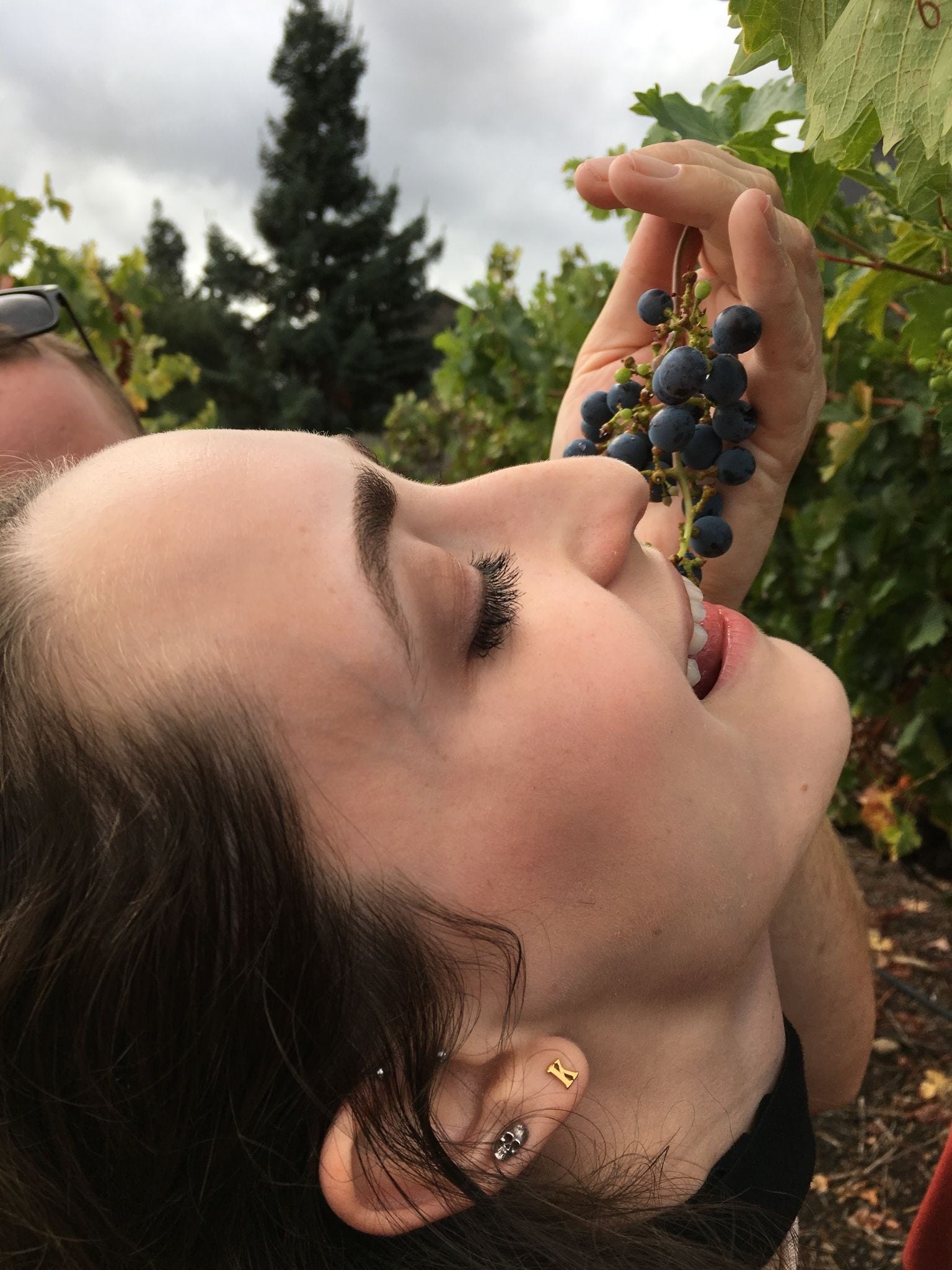
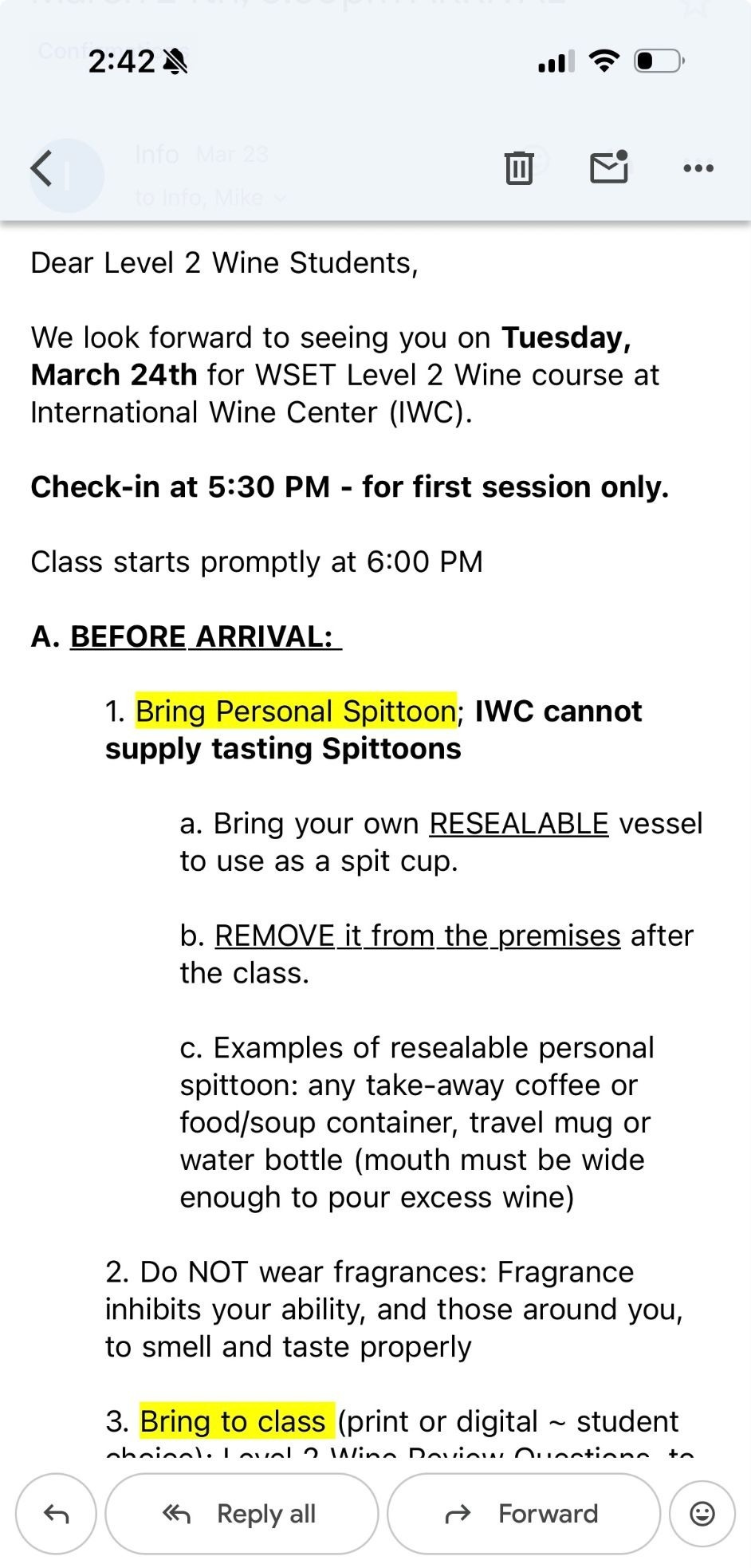
You can certainly learn a lot about wine just by asking questions. Ask questions of your waiter, the sommelier, the salesperson at the bottle shop, the internet, your friends who care about wine, yourself while you’re drinking it. You’ll start to hear certain things repeated over and over again and that will help you establish a baseline of how wine works. If nothing else, it’ll also help you figure out what you like and don’t like, and, honestly, you could just stop there. I, of course, did not. At the beginning of this year as I was evaluating my short- and long- term life goals, I looked at the one that said “get a wine or culinary certification,” which I had hoped to accomplish in the next few years, and thought to myself, “fuck it, why not now?”. I already knew exactly how and where I wanted to do it, so all I had to do was sign up. Moments later, I found myself enrolled in a 9-week, in-person program at the International Wine Center to earn my WSET Level 2 Award in Wines, and I was pumped.
The way I describe it to people when they ask if I’m taking this wine class “like to be a sommelier?” is that there are two main wine certification programs—the Court of Master Sommeliers (CMS) and the Wine & Spirit Education Trust (WSET). CMS is what they were studying for in the Netflix documentary Somm, since that certification is all about being an actual sommelier, i.e. a person in a restaurant who builds the wine list, sells a bottle to a table, serves it, etc. It’s a practical, hospitality-focused certification. The WSET, on the other hand, is “the world’s leading provider of drinks education”—they have programs for beer and spirits too! It’s more academic and emphasizes education, theory, and global knowledge. A WSET certification can then be applied more broadly to be an educator, a marketer, an importer, or, like me, a really great dinner party host.
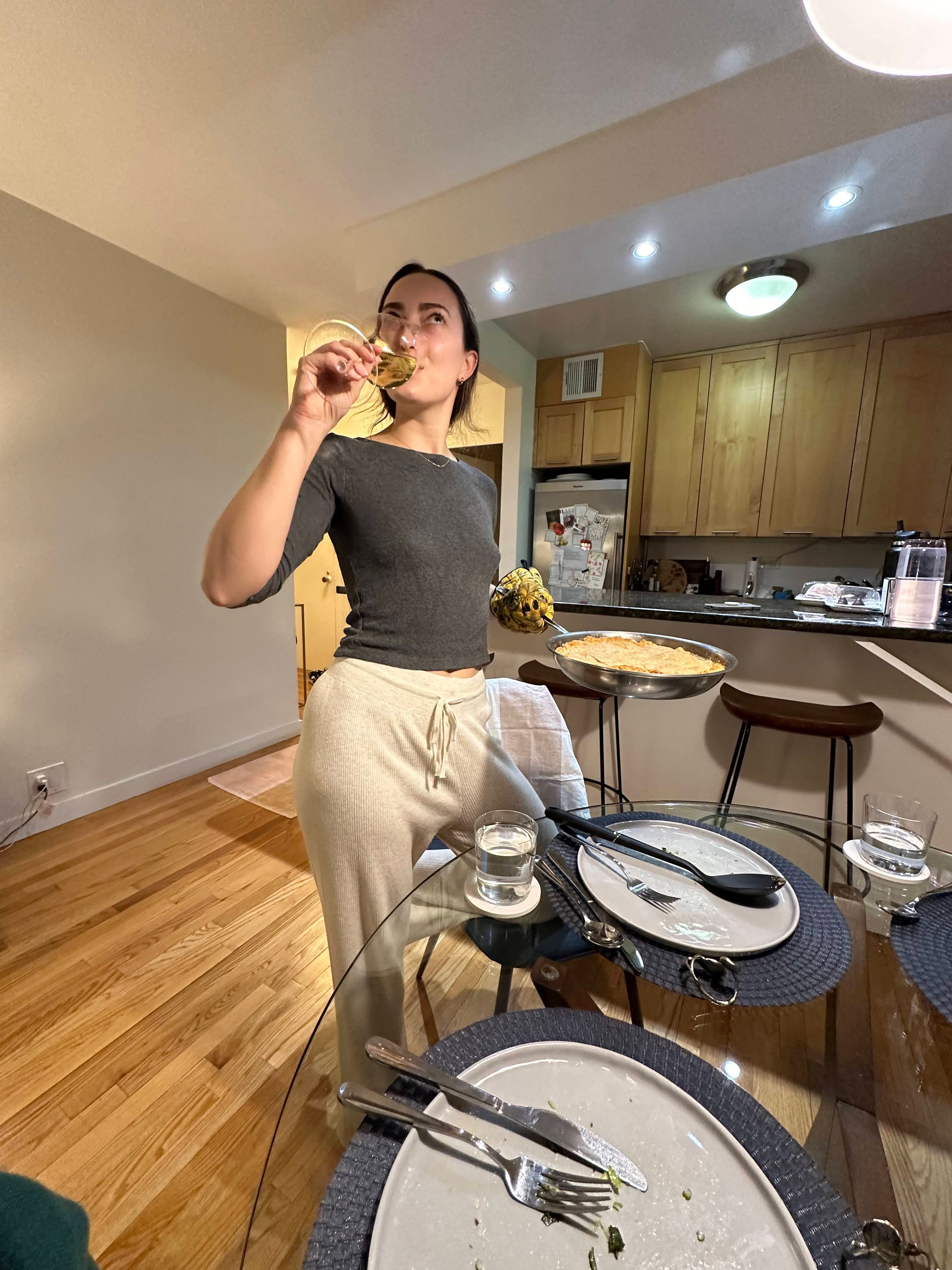
When I walked into class for the first time in March, I obviously knew a bit about what I was signing myself up for, but as the weeks have gone by, I’ve learned so much more than I could have ever anticipated. The first thing I learned was how much I enjoyed being back in a classroom setting. Raising my hand to ask questions about the difference between Left and Right Bank Bordeaux, taking notes on the varied oak and bottle aging requirements of Spanish wine, getting to class early to go over again that week’s required reading on the black grapes of Italy—I love every second of it. I think there’s something really cool about learning for no other reason than because you’re curious to know.
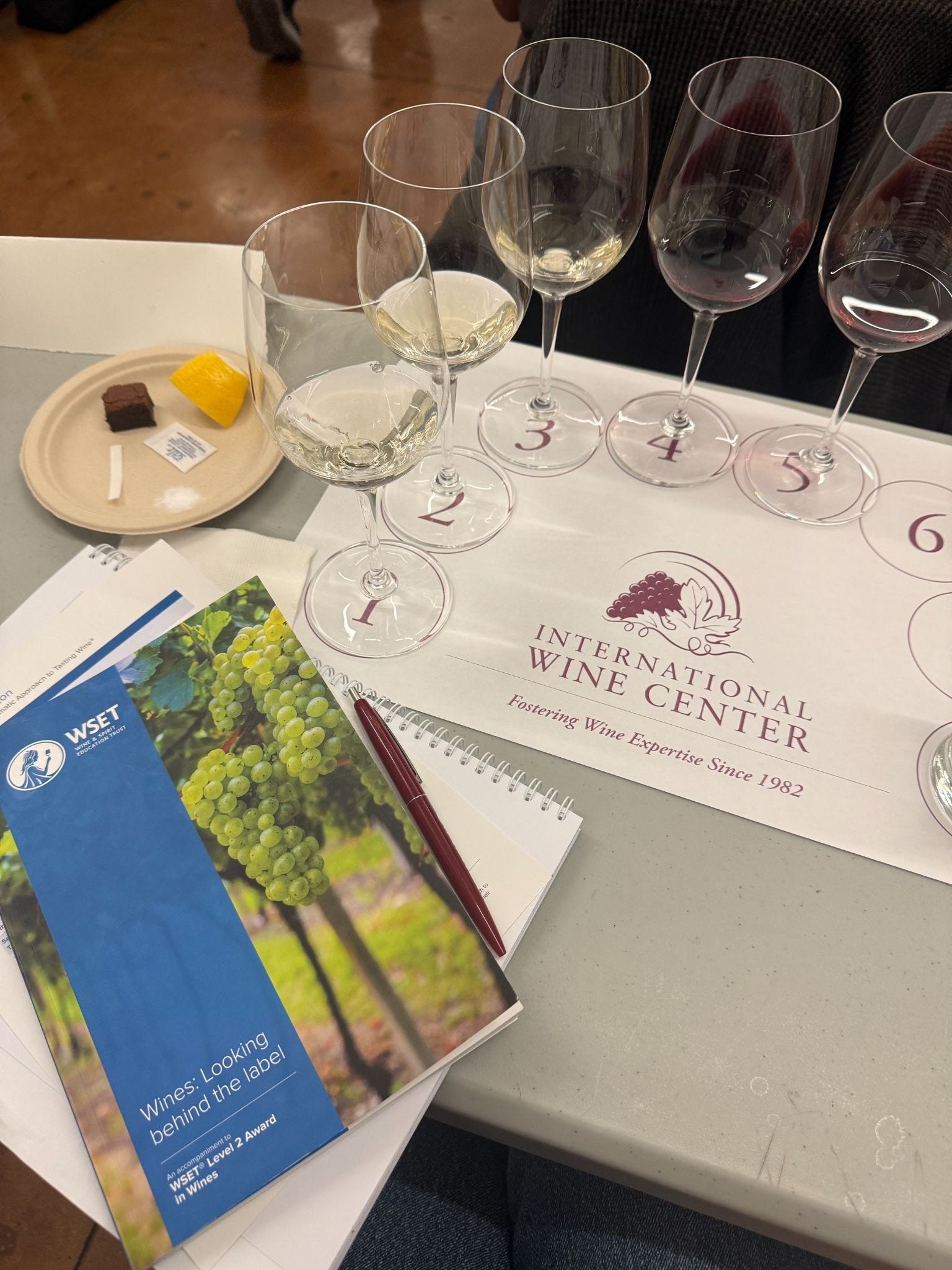
Broadly speaking, another key thing I learned is why it’s so beneficial to educate yourself about wine in this systematic, structured way. I’ll admit, I felt like I already had a decent knowledge of wine upon starting this program. Slightly more than the average joe, but definitely less than industry folk. So when we started with the basics, like how red wine gets its color1, there were definitely some facts I already knew. I was worried the class might be boring or, like happens in almost every wine tasting I’ve done on vacation, they’d be talking to me like it was my first time drinking.
Fortunately, this class turned out to be nothing like that, and if anything, it’s kind of hard. The curriculum builds a steady foundation of knowledge around things like how to taste and evaluate wine, the fundamentals of grape-growing and winemaking, how to read a bottle’s label, and key characteristics of the “principal and regionally important grape varieties of the world”. It’s knowing that foundation—what’s possible, what’s common, what’s legal, even—that helps me better anticipate the experience I’ll have with my wine. But what it also does is help me recognize a standout, rare, or interesting wine, when I see something that deviates from the expected.
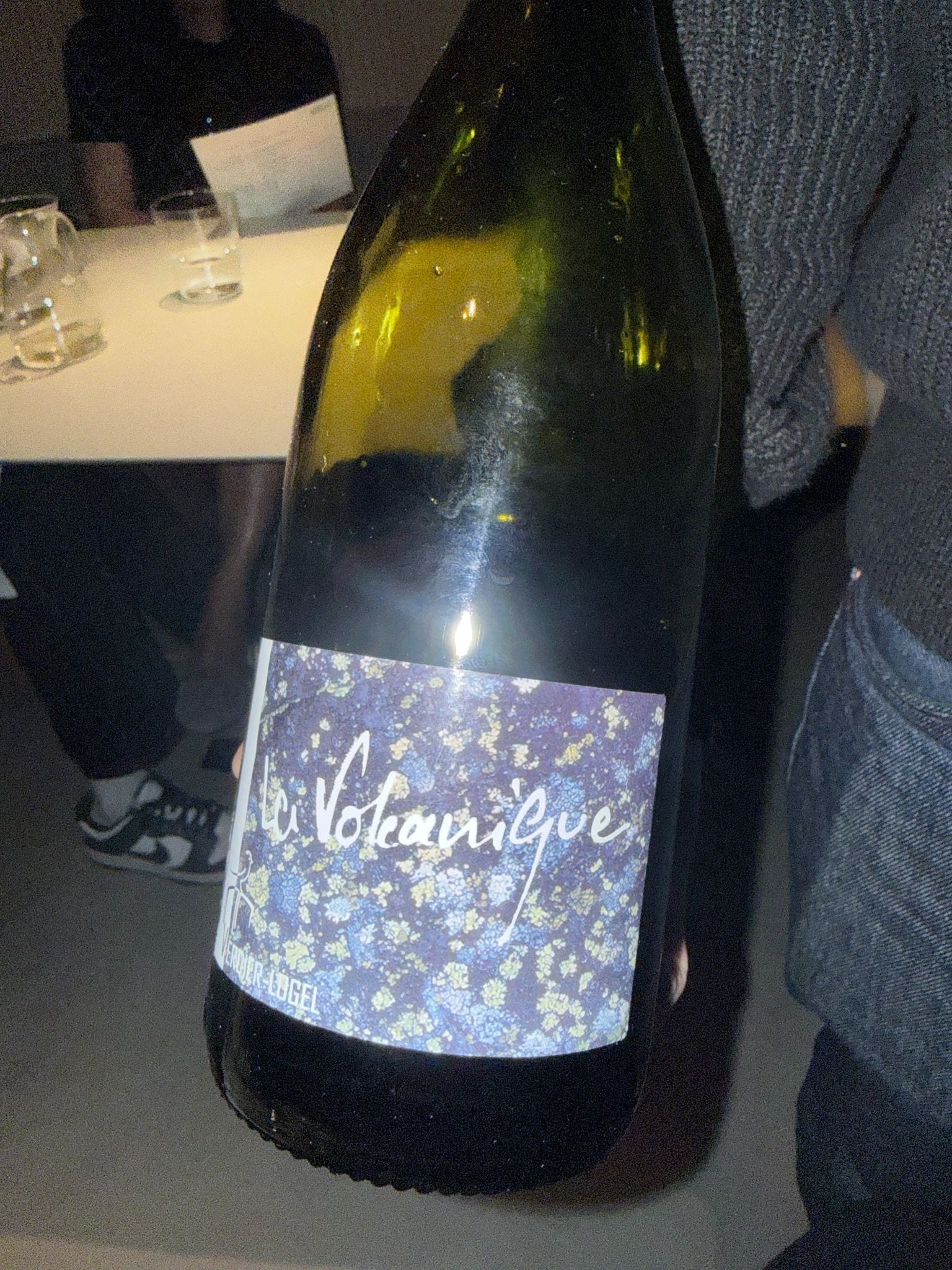
For example, I was out to dinner the other night at Chambers, a restaurant/wine bar that’s notorious for its incredible wine selection, when the waiter pointed me towards a glass of French Gamay. Having just studied the Gamay grape, I knew that the region in France it’s most grown in and most famous for is Beaujolais. Knowing then what I knew about the grape and its classic region, I anticipated a wine of low-moderate acidity that’d taste brightly of cherries, raspberries, and violets. In conversation with the waiter and upon reading the label, I actually learned that this wine was from a different area in France (the Loire Valley) and was grown in different soil (volcanic) than what they have in Beaujolais. This changed everything! The wine, which I excitedly chose, ended up being higher in acid and much more earthy, smokey and mineral-tasting. And as you should know from my last post…I love the smell/taste of smoke. Had I not known, though, the “rules” of French Gamay, I might not have known what a great wine was produced when they were broken.
Although the program is close to being over, I don’t think my wine education journey will end with it. Sure, I might no longer have as easy of an excuse to go out for a glass of wine and call it “studying,” but I’ll still do it anyway. If you care to indulge me, come split a bottle and let me walk us through it. I promise you’ll leave having learned something new, and I’ll leave realizing how much I still have yet to learn.
Favorite Spots to Drink Wine in the City:
Stars (also their sister restaurants Claud and Penny, where you’ll find interesting but not-too-crazy-for-your-parents wines)
Bar Jamon (also their sister restaurant Casa Mono, but I prefer the communal Spanish bar vibe here)
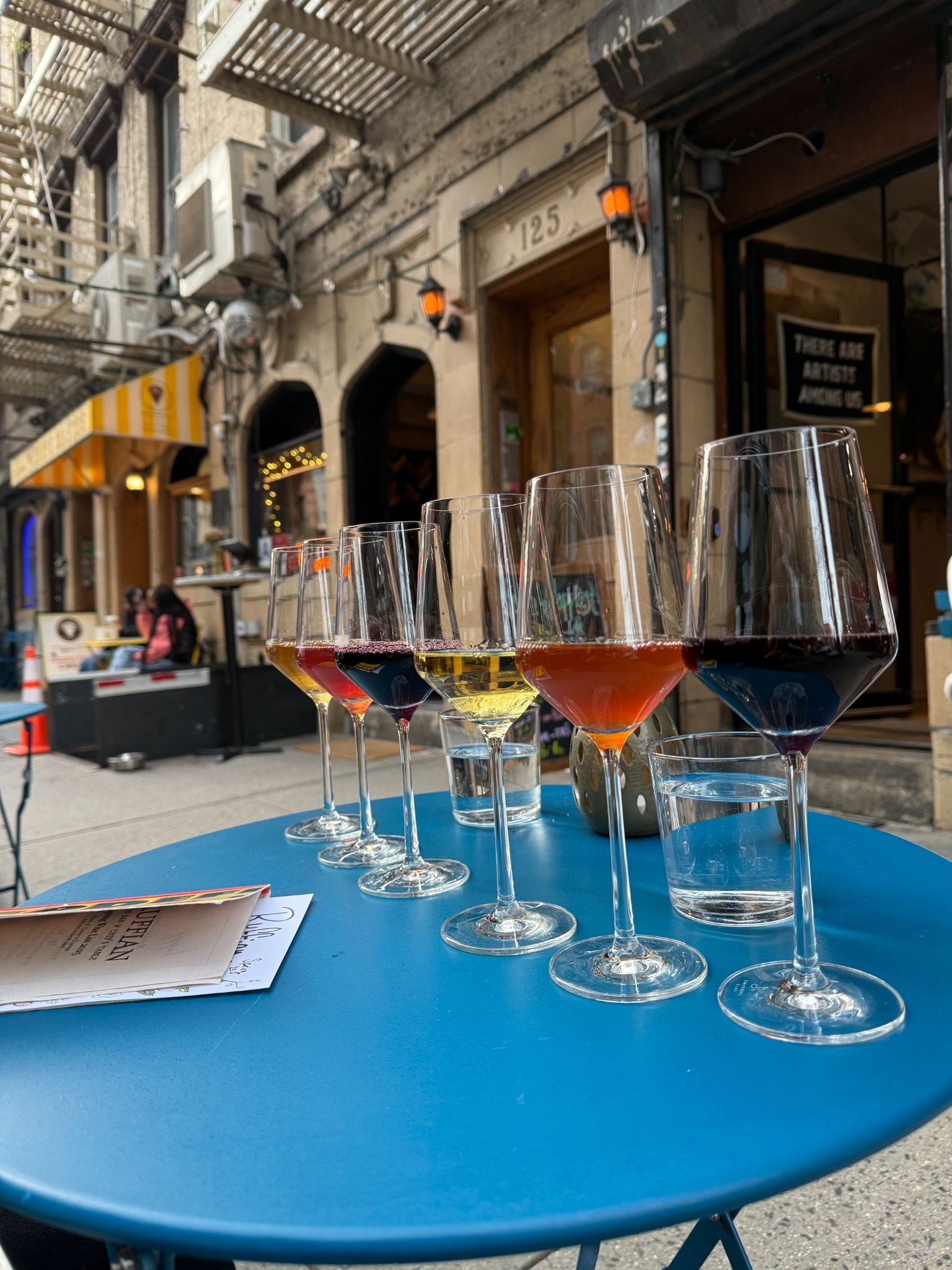
Ruffian (really nice outdoor seating and people-watching + an Eastern-European leaning wine list)
Sauced (in either the East Village or Williamsburg, for an experience where you never even see a wine list)
Four Horsemen (it won a James Beard Award for its Outstanding Wine Program and is the OG NYC natural wine spot)
Great NY Noodletown (because it’s BYOB, which is very rare in this city, so you can bring your own favorite bottles)
Greg & Christy’s home (sorry, invite only)
Wine’s color comes from the grape’s skins! Black grapes = red or rose wine. White grapes = orange wine. Then white wine actually doesn’t have any skin contact, it’s just the juice.
Inspired by you! And also craving a wine lesson over a bottle (or two)
Love this newsletter and happy to hear you are becoming a wine connoisseur. Classic pic of your grandfather! :)